
From Zero to Five Pull-Ups: How Rebecca Built Strength and Confidence in the Gym
One of the most rewarding parts of coaching isn’t just adding weight to the bar - it’s watching someone slowly change how they feel about the gym.
Rebecca is a perfect example of this.
When she first started training, she was already a strong runner and swimmer. Her cardiovascular fitness was excellent, her work ethic was solid, and she was no stranger to hard effort. But the gym itself? That was a different story. Like many people, she carried some anxiety around strength training.
Fast forward to recently, and Rebecca has gone from zero pull-ups… to two… to five - and she’s done it without grinding herself into the ground or living in the gym.
Here’s how we built that progress.
Building Strength Without Feeding Gym Anxiety
One of the first things we addressed was how Rebecca trained.
For someone who already trains hard in endurance sports, the temptation is often to apply the same mentality in the gym: lots of volume, lots of fatigue, and just not really taking advantage of rest periods.
Instead, we focused on:
Clear structure
Predictable progress
High-quality reps & sets
The Assisted Pull-Up:
We used the assisted pull-up machine deliberately and consistently.
This was the best tool because it helped:
Accurately track how much load Rebecca was moving
Progress the exercise week to week
Keep technique clean and repeatable
Because the assistance was measurable, we always knew exactly where we were. As the weeks went on, the assistance came down, and her pulling strength went up.
That clarity matters. Progress being measurable is just way better when it comes to programming.
Volume: Enough to Progress, Not Enough to Burn Out
One of the biggest myths in gym culture is that you need marathon sessions to make progress.
Rebecca’s pull-up work was simple and focused:
6–8 total sets per week
Frequency: twice per week
3–4 sets per session
No 20-set back days. No junk volume. Just enough work to create adaptation without overwhelming recovery - especially important alongside running and swimming.
Rep Ranges and Intensity: Playing the Long Game
Depending on where we were in a training block, reps typically sat in the 1–6 range.
Lower reps are one of the fastest routes to building the strength required for a bodyweight pull-up, but only if they’re performed well.
That’s why we:
Took a top set at the prescribed reps
Followed it with slightly higher-rep back-off sets
Left a couple of reps in reserve on each set
We avoided maxing out. Not because it’s inherently bad - but because constantly pushing to failure reduces the quality of reps and limits how much productive volume you can accumulate.
High-quality sets, performed consistently, beat all-out efforts every time.
Rest Times Matter More Than You Think
Another underrated factor was rest.
Rebecca rested around 2 minutes between sets, which allowed:
Better technique on every rep
Higher force output
Consistent performance across sets
Short rest might feel more “hardcore,” but longer rest improves the quality of the work - and quality is what builds strength.
More Than Pull-Ups
Yes, Rebecca built the strength to perform multiple pull-ups.
But more importantly, she:
Built confidence in the gym
Learned how to train without fear of failure
Developed an understanding of why the plan worked
That’s real progress.
If you’re someone who feels confident in sport but anxious in the weights room, this is your reminder that strength is a skill — and skills can be trained.
With the right structure, patience, and intent, progress is inevitable.
If you want help building strength in York with a plan that fits you, not just a generic template, you can learn more about coaching with Jack Bradley Fitness or get in touch directly.
About The Author
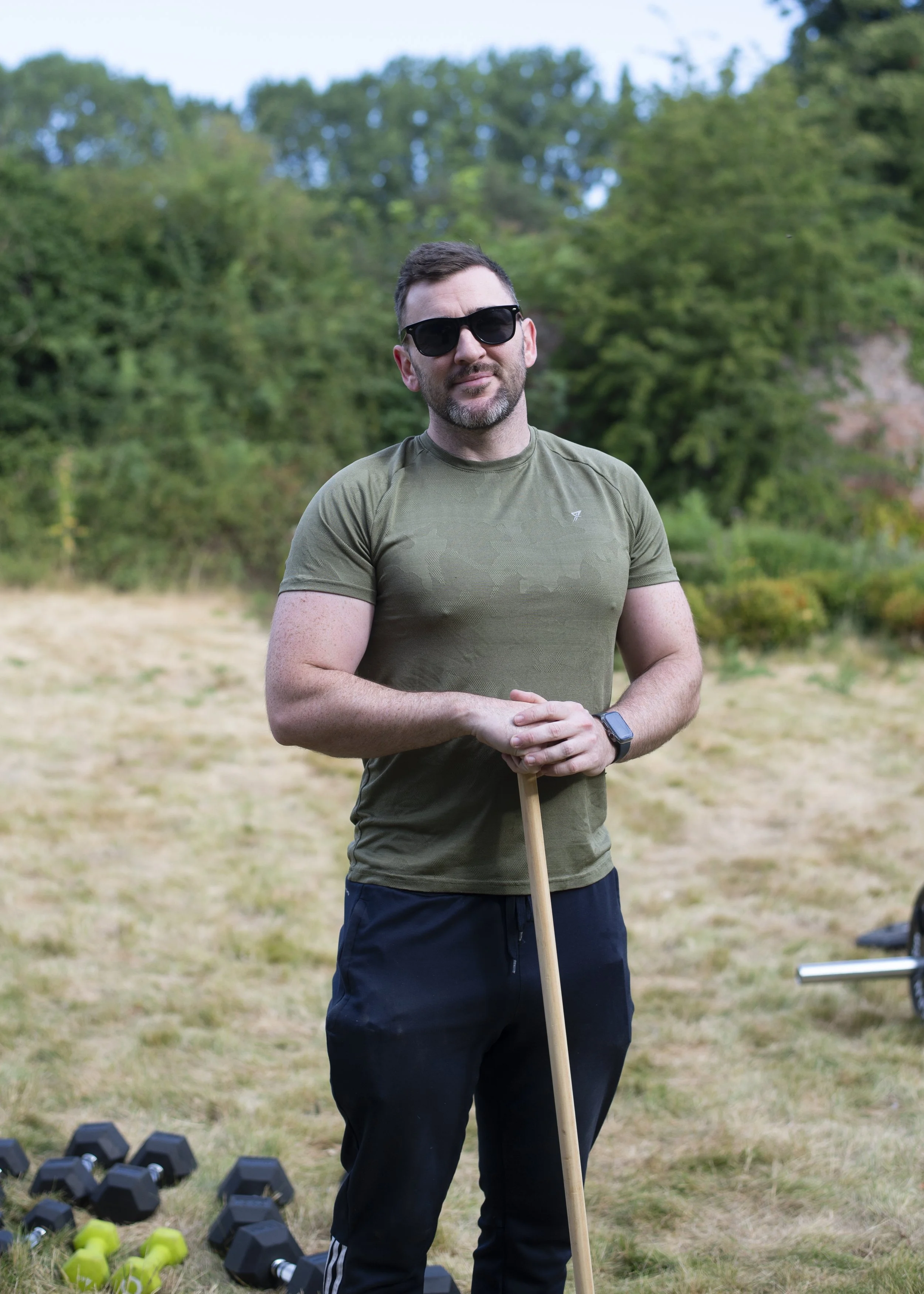
I'm Jack Bradley, a personal trainer and strength coach based near York, helping people of all ages and experience levels become stronger through simple, evidence-informed strength training.
Rather than chasing complicated workouts or constantly changing exercises, I build programs around progressive overload and the four fundamental movement patterns - hinge, squat, push and pull.
Whether your goal is building muscle, getting stronger, improving your fitness or achieving your first pull-up, my coaching focuses on long-term progress that fits around real life.
If you'd like help building a strength training program that's tailored to your goals, I'd love to hear from you.
Get in touch to find out more about personal training and small group strength coaching in York and the surrounding area.
